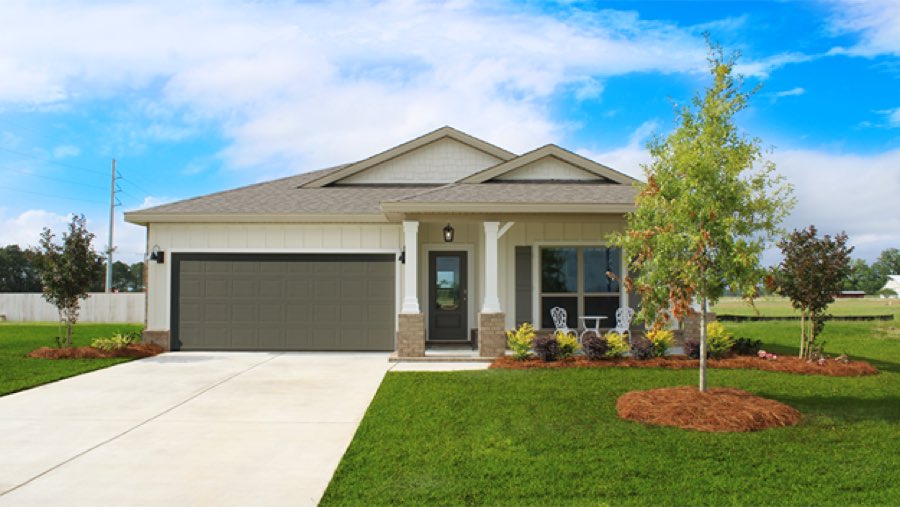
New construction orientation
Why new construction—and what to expect.
A newly built home can offer a different timeline, warranty structure, and decision sequence than a resale home. This guide helps buyers ask useful questions before they commit to a plan, a lot, or a completion date.
What may appeal to buyers
New construction can provide a newer building system, current design choices, and an opportunity to align timing with a move. The tradeoffs can include a less-established streetscape, an evolving construction schedule, and decisions that must be made before every detail is visible.
Warranty: read the actual terms
Warranty coverage is not all the same. Ask for the written documents, who administers each portion, what is covered, what is excluded, how requests are made, and when coverage begins and ends. A home inspection can still be valuable; buyers should decide with qualified professionals what inspections fit their situation.
D.R. Horton’s connected-home package
D.R. Horton’s public smart-home page presents its America's Smart Home® package as standard and lists the Qolsys panel, Alarm.com app, thermostat, lock, switch, and doorbell. Confirm the specific home because components may be substituted, and internet, compatible devices, or third-party accounts and services may be required. Convenience and remote awareness—not a security promise.
Source: drhorton.com/smart-home · see the official source
Typical build-stage questions
- Before contract: What plan, lot, included features, estimated timeline, and financing expectations are documented?
- During construction: Which selections are locked, what milestones will be shared, and what can change if materials or schedules shift?
- Before closing: How will the orientation, punch-list process, warranty contacts, and final documents be handled?
- After closing: What is the process for reporting a concern and tracking its resolution?
Keep expectations written down
Ask for important terms in the contract materials and retain a clear record of selections, dates, and communications. A purchase contract is a legal document; buyers should use the professional guidance appropriate to their own circumstances before signing.
Quick tool
Busy showing homes? Get the quick scoop.
Send this page to your AI assistant and get the D.R. Horton highlights in seconds — pricing, incentives, what's moving. Then call Danielle for the rest.
Opens in a new tab. These are general-purpose AI assistants, not operated by Danielle Poché or D.R. Horton — always confirm pricing, incentives, and availability directly with Danielle.